Camping is one of the most rewarding ways to reconnect with nature, but it requires careful planning and packing. The climate can significantly affect your experience, so understanding how to prepare for varying weather conditions is crucial. This article dives into essential tips on packing smartly for camping trips while considering climate factors that can enhance your outdoor adventure.
Packing for Camping Trips: An Overview
When you're planning a camping trip, the first step is to understand what you'll need based on your destination’s climate. Are you heading to a wet forest or a dry desert? Each environment has unique challenges that require different gear and preparation strategies.
Understanding Your Destination's Climate
Before you start gathering supplies, research the climate of your chosen camping area. Websites like the National Weather Service or local park services can provide detailed forecasts. This information helps in determining:
- Expected temperature ranges Precipitation likelihood Wind conditions
Why does this matter? Knowing these factors allows you to choose the right gear and clothing, ensuring comfort and safety throughout your trip.
Creating a Packing List
Once you have an idea of what to expect weather-wise, create a comprehensive packing list tailored to those conditions. Here’s a basic template:
Shelter- Tent (with appropriate features for climate) Ground tarp Tent stakes
- Sleeping pads (consider insulation values) Sleeping bags (appropriate for expected temperatures)
- Portable stove (and fuel) Cooking utensils Food storage containers
- Base layers (moisture-wicking fabrics) Insulating layers (fleece or down) Waterproof outer layer
- First-aid kit Multi-tool or knife Flashlights/headlamps
- Toiletries Sunscreen and insect repellent Personal identification and permits (if necessary)
By carefully selecting each item based on climate considerations, you can ensure that everything you pack serves a purpose.
Gear Longevity: Choosing Durable Equipment
Investing in high-quality gear not only enhances your camping experience but also extends its lifespan. Here are some key points regarding gear longevity:
Selecting Quality Material
When purchasing items such as tents, sleeping pads, or cooking equipment, look for materials known for their durability against elements:
- Tents: Choose models made from ripstop nylon or polyester with waterproof coatings. Sleeping Pads: Opt for pads that offer both comfort and insulation; closed-cell foam pads tend to last longer in various climates. Cooking Gear: Stainless steel components resist rust better than aluminum counterparts.
Maintenance Tips for Longevity
Proper care can prolong the life of your camping gear substantially:
Clean After Use: Always clean tents and cookware after each trip. Store Properly: Keep items away from direct sunlight when stored long-term. Regular Inspections: Check seams and zippers regularly; repair minor damages before they escalate.Investing time in maintaining your equipment will save money in the long run while ensuring reliable performance during your adventures.
Tent Stove Features: Warmth & Comfort in Cold Weather
For winter campers or those venturing into cooler climates, incorporating tent stove features into your setup could make all the difference.
Benefits of Using Tent Stoves
Tent stoves provide warmth and allow you to cook inside your tent without relying solely on an external fire pit. Key advantages include:
- Enhanced comfort during cold nights Ability to dry wet clothes quickly A central cooking area that keeps food warm
Choosing the Right Tent Stove
When selecting a tent stove, consider features such as portability, construction material, and heat output:
- Look for lightweight options if you're hiking long distances. Ensure that it has proper ventilation options to prevent carbon monoxide buildup. Check if it comes with additional accessories like spark arrestors or chimney pipes.
Using tent stoves effectively requires understanding their operational limits based on environmental conditions, so be well-informed before usage.
Climate Considerations in Camping: Essential Tips
The climate plays an integral role in how enjoyable and safe your camping experience will be.
Adapting to Rainy Conditions
If you're expecting rain:
Choose waterproof gear. Set up camp in elevated areas to avoid flooding. Use tarps strategically over your cooking area.Dealing with Extreme Heat
In hot climates, keep these tips in mind:
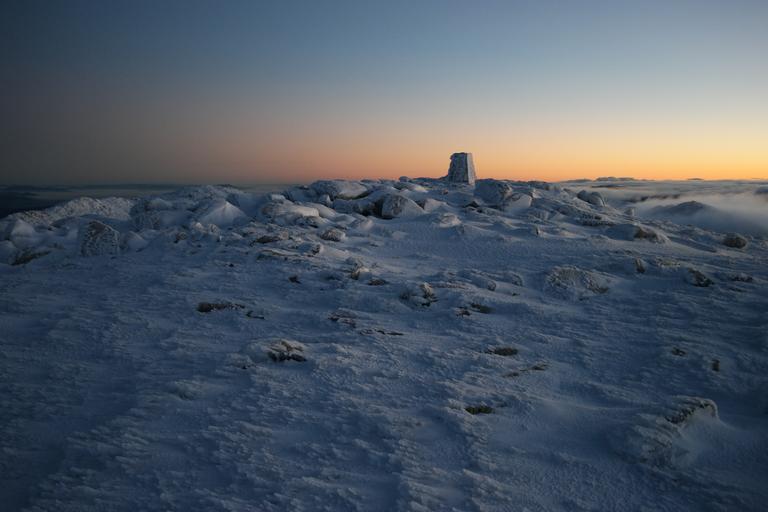
Pack light-colored clothing that reflects sunlight. Stay hydrated; bring a water filter if necessary. Schedule activities during cooler parts of the day—early mornings and evenings are ideal.Preparing for Cold Weather Adventures
Cold weather demands specific preparations:
Layering is key—use thermal base layers with insulating mid-layers. Invest in quality sleeping bags rated for low temperatures. Bring hand warmers and heat packs for added comfort at night.By understanding how different climates impact camping experiences, you’ll be better equipped to handle anything nature throws at you.
Sleeping Pads for Camping: Comfort & Insulation Matters
A good night’s sleep is vital when camping—this is where sleeping pads come into play.
Types of Sleeping Pads Available
There are several types of sleeping pads suited for various scenarios:
Air Pads: Lightweight and compressible but may puncture easily; ideal for summer use. Self-inflating Pads: Offer decent insulation while being easy to set up; great for three-season camping. 3. Closed-cell Foam Pads: Durable options suitable for all seasons; excellent insulation against cold ground temperatures.Choosing the Right Pad Based on Climate Conditions
Your choice should depend on both comfort preferences and expected temperature ranges:
- In hotter climates: Go with air pads as they allow more airflow underneath. For colder environments: Self-inflating or closed-cell foam pads provide superior insulation against chilly surfaces.
Good sleep leads to better days outdoors—so invest wisely!
Packing Smart: Climate Considerations for Every Camping Trip
Packing smart means considering every detail that could affect your trip's success based on the prevailing http://storyquestinnature547.tearosediner.net/camping-recommendations-top-destinations-for-every-season climate conditions around you! Here are some essential strategies geared toward effective packing adjustments depending upon where you're headed off into nature's embrace!
Organizational Techniques For Efficient Packing Solutions
To ensure ease while navigating through various landscapes without losing essentials along the way involves strategic organization techniques such as creating modular compartments within backpacks using compression sacks specifically designed based on seasonal needs i.e., breathable pouches containing lightweight garments separate from heavier insulated pieces which would otherwise bulk-up overall weight…
Utilizing Packing Cubes
Packing cubes make organizing easier by allowing campers access individual items without rummaging through everything at once! Not only do they save time but also minimize hassle amidst unpredictable circumstances faced out there…
Weatherproofing Essentials Inside Bags Using Dry Bags/Stuff Sacks
Lastly utilizing waterproof stuff sacks ensures even under unexpected torrential downpours nothing gets ruined—keeping valuables safeguarded thus enabling uninterrupted enjoyment outdoors!
FAQs about Packing Smart: Climate Considerations
1) What should I prioritize when packing clothing?
Prioritize moisture-wicking base layers, insulating mid-layers, and waterproof outer layers according to anticipated weather conditions.
2) How do I maintain my tent?
Regularly clean it after each use, store it properly away from sunlight, and conduct periodic inspections of seams and zippers.
3) Can I use regular sleeping bags in winter?
While possible, it’s advisable to use bags specifically rated for low temperatures since they provide better insulation against cold conditions.
4) What’s the best way to stay cool while camping?
Pack light-colored clothing reflecting sunlight, stay hydrated throughout the day, seek shade during peak hours & plan outdoor activities early!
5) How often should I replace my camping gear?
This varies by item type; however investing more upfront typically results in longevity which could lead upwards of years depending on care taken post-use!
6) What materials are best suited for tents used year-round?
Look out particularly durable fabrics like ripstop nylon coated with waterproof treatments ensuring optimal resistance against harsh conditions encountered without compromising packability!
Conclusion
Planning ahead goes hand-in-hand with enjoying memorable outdoor experiences! By understanding climate considerations when packing smartly—selecting appropriate gear focused on longevity combined with effectively managing climatic variables—you'll ensure not only safety but also maximize enjoyment among nature's beauty! So next time you're gearing up about heading out into wilderness remember—it pays off knowing precisely how weather influences every aspect involved within this exhilarating journey we call 'camping'. Happy trails!